Understanding Love and Attachment in Relationships
By Jim Byrne, Doctor of Counselling
~~~
Posted on 23rd November 2025
~~~
Introduction
When we think about love in relationships, most people tend to approach it with a rather naïve, childlike, and sometimes selfish mindset. In my experience as a couples therapist, I’ve often encountered the belief that love is all about “getting it” rather than “creating it”. But in reality, the most reliable way to receive love is by genuinely giving it first. It’s a principle as old as time: what goes around comes around.
The real challenge is that many individuals haven’t yet discovered the wellspring of love within themselves. All too often, what initially draws someone to a partner isn’t love at all, but need. There’s a yearning for connection, a longing for attachment to a “love object” – reminiscent of the bond formed with a mother in early childhood.
Attachment is a fundamental drive. In newborns, it’s an instinct geared towards survival. For new mothers, attachment is both innate and learned, shaped by their own upbringing and cultural influences. When we enter adult relationships, our attachment styles – be they secure or insecure – often mirror those we developed as children, particularly in relation to our mothers, and later, our fathers.
When love and attachment work hand in hand, they create a strong bond that holds couples together. However, if love fades but attachment lingers, that bond can trap partners in cycles of hurt and unhappiness. It’s crucial to learn the difference between loveless attachment – which can be toxic and should ideally be ended amicably – and loving attachment, which is truly life-affirming.
Jim And Renata built a wonderful life by studying self-help and personal development books!
Loveless attachment often leads individuals to treat their partner as a possession, rather than a companion. It can also give rise to controlling behaviours and, in some cases, domestic violence. Recognising and addressing the difference between healthy, loving attachment and destructive, loveless attachment is essential to fostering happier, healthier relationships.
What do you think of these ideas?
Has this blog post sparked off any insights in you?
Please share your thoughts.
Best wishes, and take good care of yourself!
Jim
Dr Jim Byrne
Doctor of Counselling
And author and publisher of this book:
Now you can get the love you want!
How to Build Your Own “Love Island”
An easy to follow blueprint, plus seventeen illuminating case studies from the Couples Therapy Room
How to avoid and/or manage family conflict at Christmas
~~~
How to reframe problems and enhance communication
Photo by Eric Moura on Pexels.com
Families worldwide gather for significant events, often stemming from religious traditions, but many have evolved into secular or patriotic celebrations.
While these occasions bring joy and reunite scattered family members, they can also lead to unrealistic expectations, stress, and interpersonal conflicts. This often results in domestic issues, including marital strain and even divorce.
My book about Christmas Conflict emphasizes that high expectations often lead to disappointment, as there is a connection between our desires and happiness levels. This book proposes methods to reframe problems and enhance communication during challenging family gatherings, promoting a healthier dynamic for the participants.
~~~
Managing conflict this Christmas and New Year
Managing conflict and communicating effectively are skills, and here is the tutorial…
How to Resolve Conflict and Unhappiness: Especially during Festive Celebrations: Coping with and resolving frustrations, disappointments and interpersonal clashes at family celebrations …
Conflict in couple relationships, and in families in general, is a major source of human misery. However, with the right kind of instruction, you can insulate your social relationships from constant or repeated misery and unhappiness; and learn to have a wonderful life with your family and friends. The essential solutions to destructive social conflict have been assembled by Dr Jim Byrne in this book about how to re-think/re-feel/re-frame your encounters with your significant others; how to communicate so they will listen; how to listen so they can communicate with you; and how to manage your emotions and lifestyle for optimum peace, happiness and success in all your relationships. More…
~~~
How to avoid or minimize family conflict
The content of this book emphasizes the importance of developing an effective philosophy of life to navigate emotional challenges, particularly during stressful periods like holidays.
It outlines the significance of one’s mindset in interpreting experiences, especially difficult ones, suggesting that a resilient philosophy can lead to better emotional management.
The book’s chapters focus on various aspects of emotional well-being, including maintaining a healthy diet, regular exercise, adequate sleep, and effective communication skills. Additionally, it introduces concepts such as frame theory and Transactional Analysis to help readers improve their relationships and conflict resolution skills, ultimately aiming to foster emotional intelligence.
~~~
Managing conflict this Christmas and New Year
Managing conflict and communicating effectively are skills, and here is the tutorial…
How to Resolve Conflict and Unhappiness: Especially during Festive Celebrations: Coping with and resolving frustrations, disappointments and interpersonal clashes at family celebrations …
Conflict in couple relationships, and in families in general, is a major source of human misery. However, with the right kind of instruction, you can insulate your social relationships from constant or repeated misery and unhappiness; and learn to have a wonderful life with your family and friends. The essential solutions to destructive social conflict have been assembled by Dr Jim Byrne in this book about how to re-think/re-feel/re-frame your encounters with your significant others; how to communicate so they will listen; how to listen so they can communicate with you; and how to manage your emotions and lifestyle for optimum peace, happiness and success in all your relationships. More…
~~~
Manage your emotions to manage your behaviour and relationships
When emotionally upset, individuals often view situations through unhelpful fixed frames of reference that are non-conscious and rigid, leading to unproductive interpretations of their experiences.
This rigidity prevents them from changing how they feel about problems.
Understanding that perception is driven by past experiences rather than mere sensory input can help individuals recognize their automatic responses to events.
To overcome these constraints, one must disrupt habitual interpretations and responses. The author introduces the Nine Windows Model of E-CENT counselling, which serves as a technology to facilitate new perspectives on emotional responses, particularly during challenging situations like family celebrations.
~~~
Managing conflict this Christmas and New Year
Managing conflict and communicating effectively are skills, and here is the tutorial…
How to Resolve Conflict and Unhappiness: Especially during Festive Celebrations: Coping with and resolving frustrations, disappointments and interpersonal clashes at family celebrations …
Conflict in couple relationships, and in families in general, is a major source of human misery. However, with the right kind of instruction, you can insulate your social relationships from constant or repeated misery and unhappiness; and learn to have a wonderful life with your family and friends. The essential solutions to destructive social conflict have been assembled by Dr Jim Byrne in this book about how to re-think/re-feel/re-frame your encounters with your significant others; how to communicate so they will listen; how to listen so they can communicate with you; and how to manage your emotions and lifestyle for optimum peace, happiness and success in all your relationships. More…
~~~
Dr Jim Byrne, Counsellor and author of self-help books
Read the book before the festivities arrive. If you do, you will avoid interpersonal unpleasantness, or even disasters, like New Year divorce, or bad feelings all round!
I hope you find this book both interesting and helpful.
Give yourself a Christmas Present of self-supporting knowledge!

 When we think about love in relationships, most people tend to approach it with a rather naïve, childlike, and sometimes selfish mindset. In my experience as a couples therapist, I’ve often encountered the belief that love is all about “getting it” rather than “creating it”. But in reality, the most reliable way to receive love is by genuinely giving it first. It’s a principle as old as time: what goes around comes around.
 Attachment is a fundamental drive. In newborns, it’s an instinct geared towards survival. For new mothers, attachment is both innate and learned, shaped by their own upbringing and cultural influences. When we enter adult relationships, our attachment styles – be they secure or insecure – often mirror those we developed as children, particularly in relation to our mothers, and later, our fathers.
 Best wishes, and take good care of yourself!


 My book about Christmas Conflict emphasizes that high expectations often lead to disappointment, as there is a connection between our desires and happiness levels. This book proposes methods to reframe problems and enhance communication during challenging family gatherings, promoting a healthier dynamic for the participants.
 Conflict in couple relationships, and in families in general, is a major source of human misery. However, with the right kind of instruction, you can insulate your social relationships from constant or repeated misery and unhappiness; and learn to have a wonderful life with your family and friends. The essential solutions to destructive social conflict have been assembled by Dr Jim Byrne in this book about how to re-think/re-feel/re-frame your encounters with your significant others; how to communicate so they will listen; how to listen so they can communicate with you; and how to manage your emotions and lifestyle for optimum peace, happiness and success in all your relationships.
  The content of this book emphasizes the importance of developing an effective philosophy of life to navigate emotional challenges, particularly during stressful periods like holidays.
 When emotionally upset, individuals often view situations through unhelpful fixed frames of reference that are non-conscious and rigid, leading to unproductive interpretations of their experiences.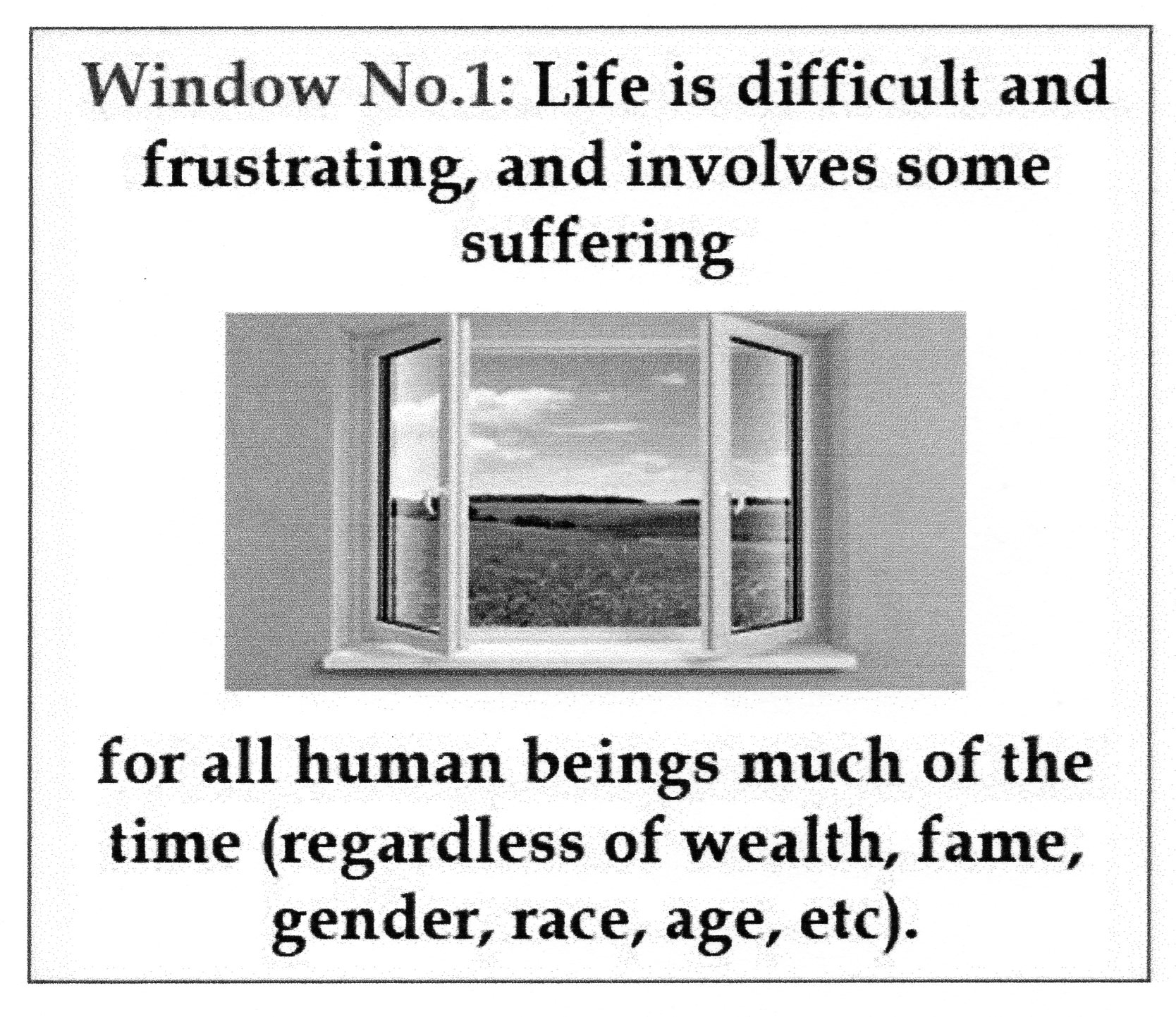

 Best wishes for a Happy Christmas and a Peaceful New Year
 ABC Bookstore Online UK