
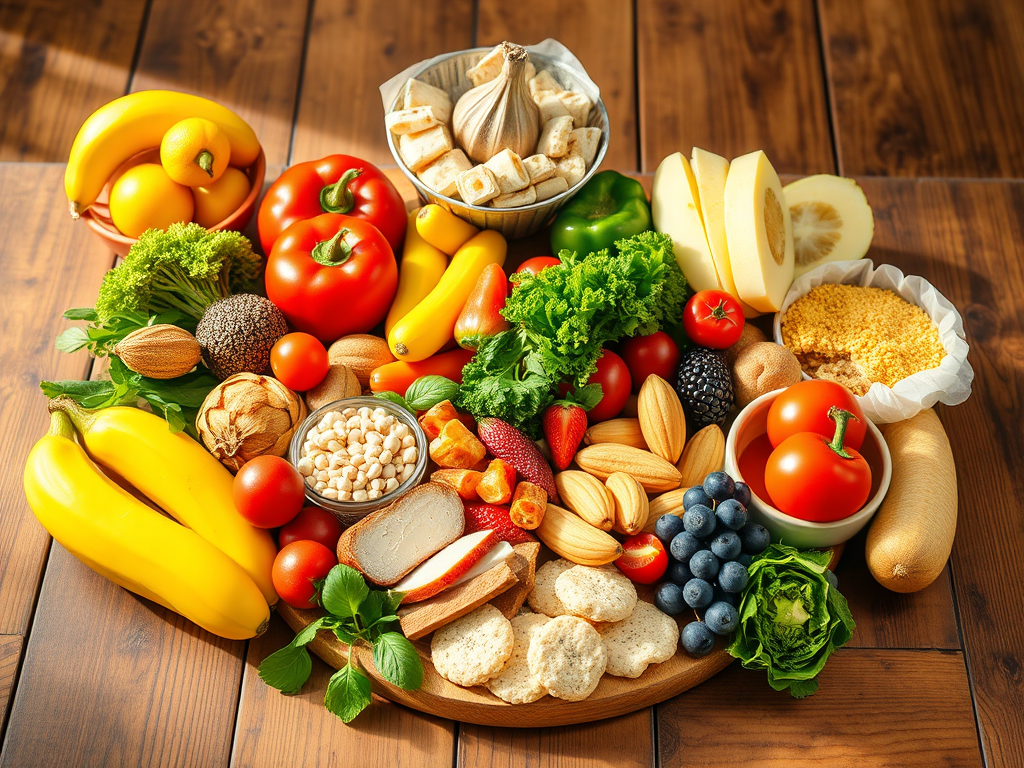
The Link Between Nutrition and Mental Health: Why Food Matters More Than Ever
~~~
By Jim Byrne, Doctor of Counselling
Blog post on 18th February 2026
~~~
Summary
This blog post explores the significant link between nutrition and mental health, highlighting how dietary choices can profoundly affect mood, energy, and overall wellbeing. Citing recent research and public health initiatives, it emphasises the dangers of processed foods and excessive sugar, while also introducing Renata Taylor-Byrne’s book, Nutrition as Therapy, as a practical guide for those seeking natural ways to improve their mental health through better nutrition.
~~~
Food in the News
In recent months, headlines across the UK and US have spotlighted a growing concern: the impact of diet on mental health. With rising rates of anxiety, depression, and stress-related conditions, experts are urging the public to pay attention to what’s on their plates. The British Medical Journal recently published findings indicating that highly processed foods and excessive sugar intake are linked to poorer mood and increased risk of psychological distress. Meanwhile, the NHS has launched initiatives to encourage communities to adopt healthier eating habits, recognising food as a vital tool for mental wellbeing.
A new book to inform and motivate change
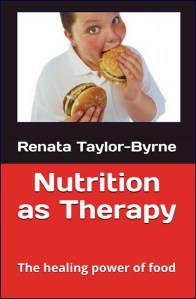 Amidst this backdrop, Renata Taylor-Byrne’s Nutrition as Therapy arrives at just the right moment. Drawing from robust scientific evidence and real-life stories, Taylor-Byrne offers a refreshing alternative to prescription drugs and high-tech solutions.
Her book shows how simple changes—such as swapping processed snacks for nourishing whole foods and considering essential supplements—can dramatically improve energy, focus, and emotional balance.
What’s more, she provides practical guidance for readers to reclaim their health, making the complex world of nutrition accessible and empowering.
~~~
About Renata’s book
 If you’re a nutrition enthusiast, healthcare professional, or simply someone seeking better mental health, Nutrition as Therapy is a must-read. It’s not just about food; it’s about taking control of your wellbeing and finding hope in everyday choices. As the conversation around food and mental health grows louder, this book offers a bridge to understanding and lasting change. Discover the movement toward empowered health—visit ABC Bookstore Online UK and explore Renata Taylor-Byrne’s transformative message today.
~~~
What are your views on the subject of nutrition and mental health?
Please leave your comments below.
Thanks for your time and interest.
Sincerely,
Jim
Dr Jim Byrne
Doctor of Counselling
~~~

 “In 2026, I resolve to nurture my mental and emotional health by seeking out practical self-help strategies and dedicating time each week to personal growth and healing.”

 Renata Taylor-Byrne’s book explores using progressive muscle relaxation to combat anxiety, citing a case study of a college student haunted by fears rooted in a family tragedy. After receiving therapy and implementing relaxation exercises, she overcame her fears and excelled academically abroad. This approach proved more effective than medication or cognitive behavioral therapy. The case highlights the efficacy of addressing mental issues through physical means, demonstrating the power of body-mind connection in alleviating anxiety. For more details, refer to “Relax and Enjoy It!” by Renata Taylor-Byrne.
 ABC Bookstore Online UK